Resources

Resources

Resource library

How do you read a scientific article? What are the phases of a clinical trial? What are the differences between climate change and global warming? These guides answer questions for journalists and communication departments. Other specific guides help research staff when dealing with the media.
Floods and DANAS: key tips for effective communication

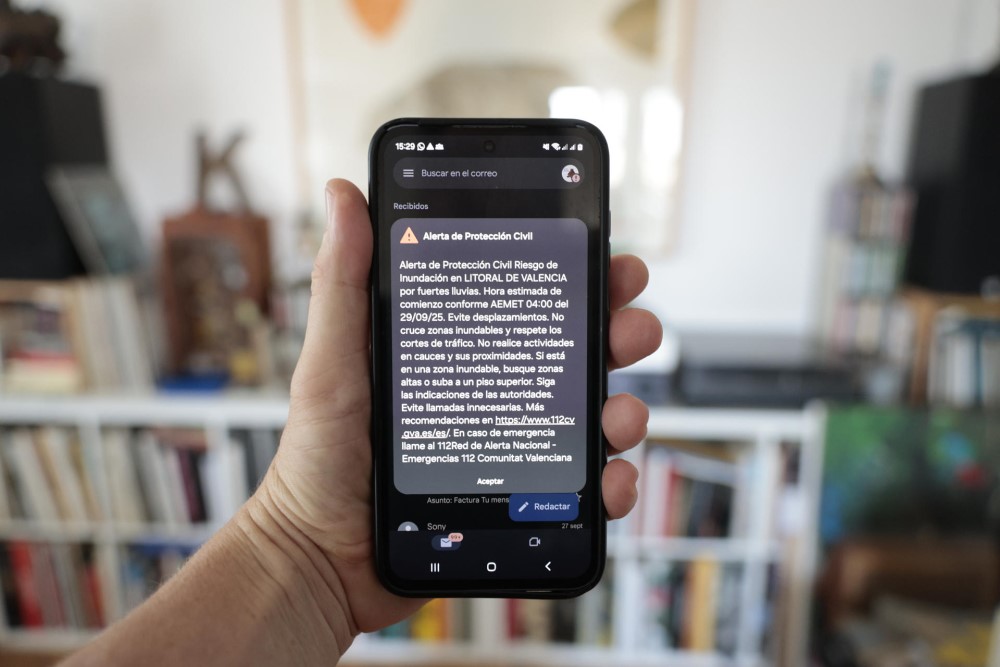
The devastating floods in Valencia in October 2024 and the rainfall alert issued on September 28, 2025, showed that the way we communicate risks can make a difference, for better or for worse. This article presents eight key points for journalists, public officials, communicators, and anyone else interested in communicating better about floods and other crises.

0

A quick guide to reporting obesity without getting it wrong

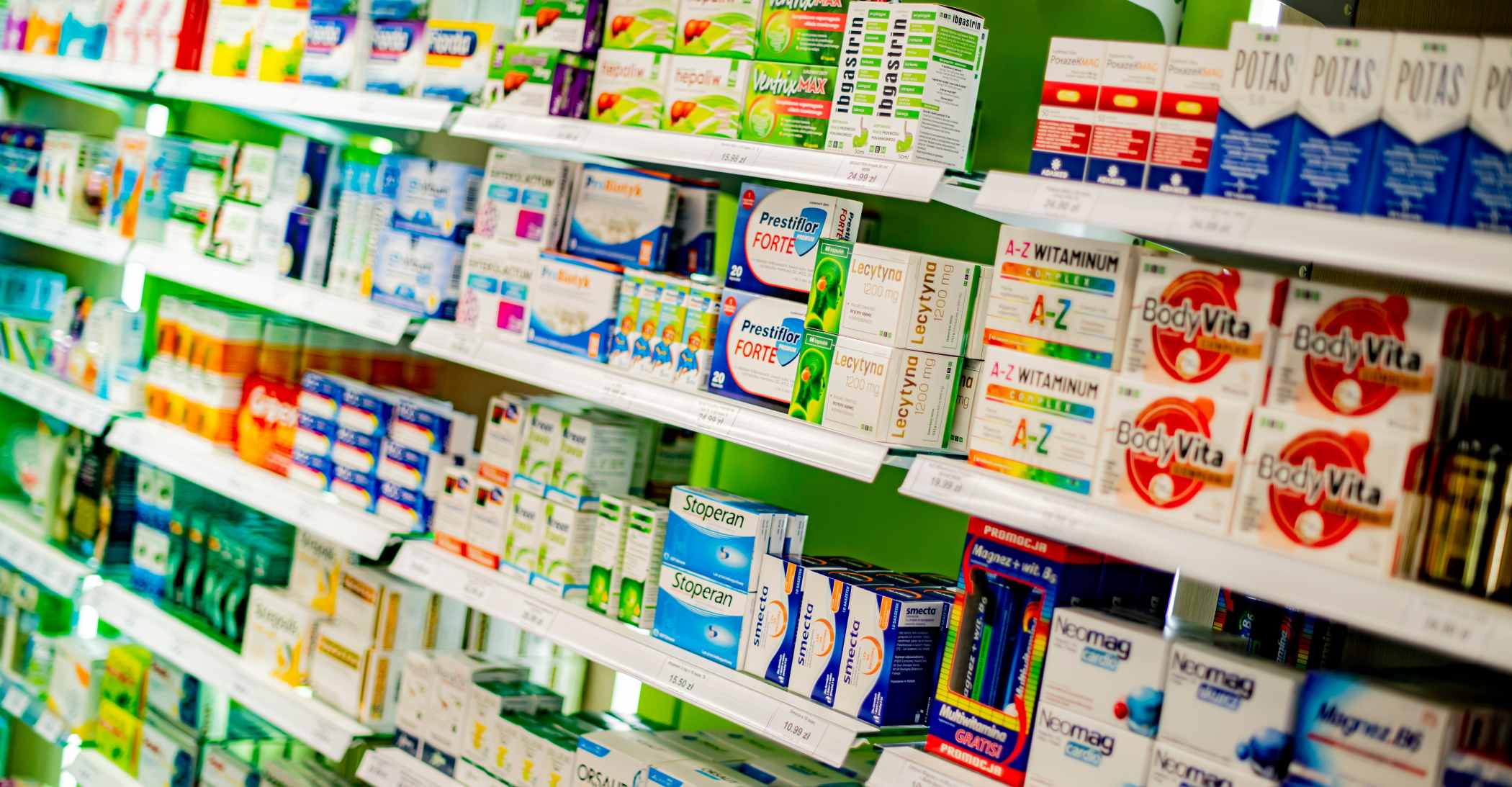
According to the World Health Organisation (WHO), the prevalence of obesity worldwide has increased by more than 100 % between 1990 and 2022. This reality has been and is constantly reflected in the media, but not always narrated or illustrated in the right way. Here are some tips on how to report on this disease from experts, international guidelines and specialised image banks.

0

Risk Journalism: a guide to clear reporting on any topic

This guide is designed for journalists who cover stories about risks in any sector: health, environment, artificial intelligence etc. You will identify the concepts that will help you explain, for example, why false flood alarms occur, the pros and cons of installing a nuclear plant in a certain area, or the uncertainty of a study that finds a particular diet increases the risk of developing cancer.

0

Risk is a complex concept: how do you interpret it?

The risk of an adverse reaction to a vaccine and the risk of not evacuating a flood-prone area have something in common: both are risks, though very different ones. While one refers to a numerical probability, the other refers to a potential consequence. Here, we explore six different meanings of the word “risk” in headlines. These examples will help you explain risks more clearly, or demand that clarity from others.

0

A guide to finding scientific sources in Ibero-America

The Ibero-American Day of Science takes place on 28 November; it was launched last year during a meeting of science ministers within the framework of the Ibero-American Summit. On this occasion, we have compiled below several guides and databases maintained by universities, research centres and other science organisations that aim to help journalists in search of expert sources. Of course, this list is not comprehensive; if you have suggestions for other guides and sources—whether from Spain, Portugal or Latin America—that we could add, please don't hesitate to contact us so that we can continue to expand this resource.

0